
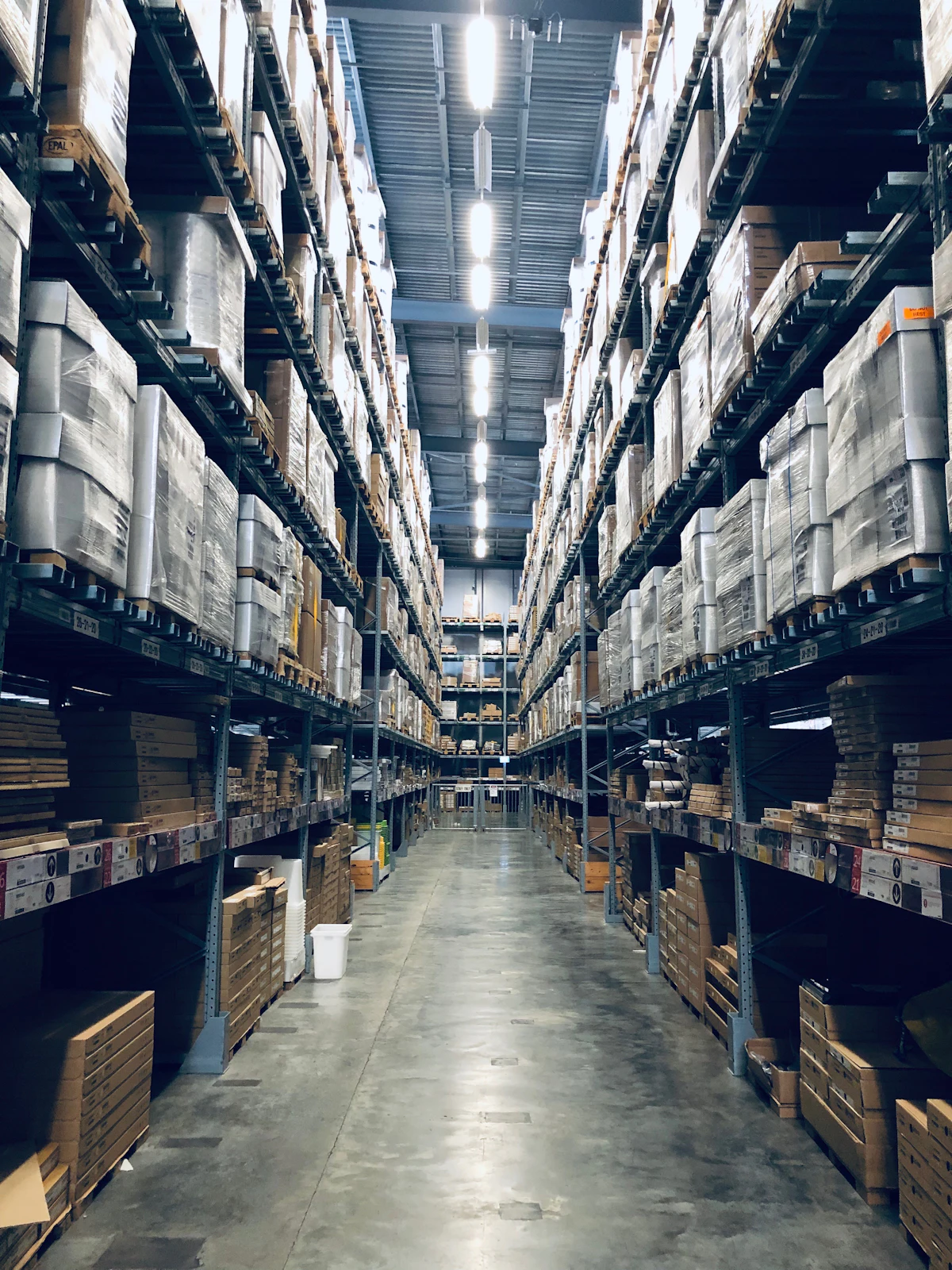
Temperature-Controlled Transport for Kenya-bound cargo
Temperature-controlled imports to Kenya often face extra regulatory checks. Tell us what you are shipping and we will confirm what is possible before you buy.
Some goods cannot travel at ambient temperature. Where you need refrigerated or temperature-controlled transport, we arrange it through qualified partners and confirm availability before booking.
Who uses temperature-controlled transport for Kenya
Food, beverage, pharmaceutical and other temperature-sensitive shippers.
What you get

How shipping from the USA to Kenya works
- 01
Request a quote
Share the pickup ZIP code, the delivery town in Kenya, a list of items with approximate sizes and weights, and your deadline. We reply with an itemised quote that shows freight, handling and estimated duties separately.
- 02
Pickup and export preparation
We collect from your home, business or supplier, check the commercial invoice and packing list, and deliver the cargo to the departure airport or port. Correct paperwork before departure is the single biggest factor in a smooth clearance in Kenya.
- 03
Air or ocean transit
Air cargo flies to Jomo Kenyatta International Airport (JKIA) in Nairobi. Ocean cargo sails to the Port of Mombasa, East Africa’s largest seaport. We monitor the shipment and keep you updated.
- 04
Customs clearance in Kenya
A licensed customs agent lodges the import declaration, duties and taxes are assessed by the Kenya Revenue Authority, and the cargo is released. Containers can clear in Mombasa or travel by Standard Gauge Railway to the Nairobi or Naivasha Inland Container Depots.
- 05
Delivery to Kenya
Final delivery by road to the receiver’s address, with confirmation once the goods are handed over.
Air freight vs sea freight to Kenya
| Air freight | Sea freight | |
|---|---|---|
| Typical door-to-door time | About 5–10 days | About 4–7 weeks |
| Arrival point | JKIA, Nairobi | Port of Mombasa (and Nairobi/Naivasha ICDs by rail) |
| How it is priced | Per kg of chargeable weight (actual or volumetric, whichever is greater) | Per cubic metre (LCL) or per 20ft/40ft container (FCL) |
| Best for | Urgent, light, compact and high-value goods | Heavy, bulky and high-volume cargo, vehicles and household moves |
| Watch out for | Batteries, aerosols and dangerous goods are restricted | Port storage charges if documents are not ready on arrival |
Documents you will need
Requirements depend on what you ship, but most consignments to Kenya need the following:
- Commercial invoice — description and value of every item
- Packing list — itemised contents, weights and dimensions
- Bill of lading or air waybill — issued for the main transport leg
- Importer’s KRA PIN — the receiver’s Kenya Revenue Authority PIN
- Certificate of Conformity — for goods covered by the KEBS PVoC programme
- ID / passport copy — of the shipper and receiver
Regulated goods (food, medicines, chemicals, vehicles, some electronics) may need extra approvals from the relevant Kenyan agency. Ask us before you buy or ship. See our guide: documents required to import goods into Kenya.
Packing tips for a smooth journey
Kenyan towns we serve
Temperature-Controlled Transport in Kenya: FAQs
Do you operate refrigerated trucks?
Temperature-controlled moves are arranged through qualified partners; we confirm availability before booking.
Can perishables be shipped to Kenya?
Some can, subject to Kenyan regulatory approvals. Contact us before buying.
How long does shipping from the USA to Kenya take?
Air freight typically takes about 5–10 days door to door. Sea freight to Mombasa typically takes around 4–7 weeks, plus clearance and inland delivery. Your quote shows the expected timeline.
How much does it cost to ship from the USA to Kenya?
It depends on weight, volume, mode, origin and destination. We give itemised quotes rather than generic prices — request one here.
What is the cheapest way to ship cargo to Kenya?
Shared-container (LCL) sea freight is usually the cheapest for heavy or bulky goods. Consolidating several purchases into one shipment also saves money.